The Unspoken Reality: Houston's Allure and Its Vulnerability to Floods
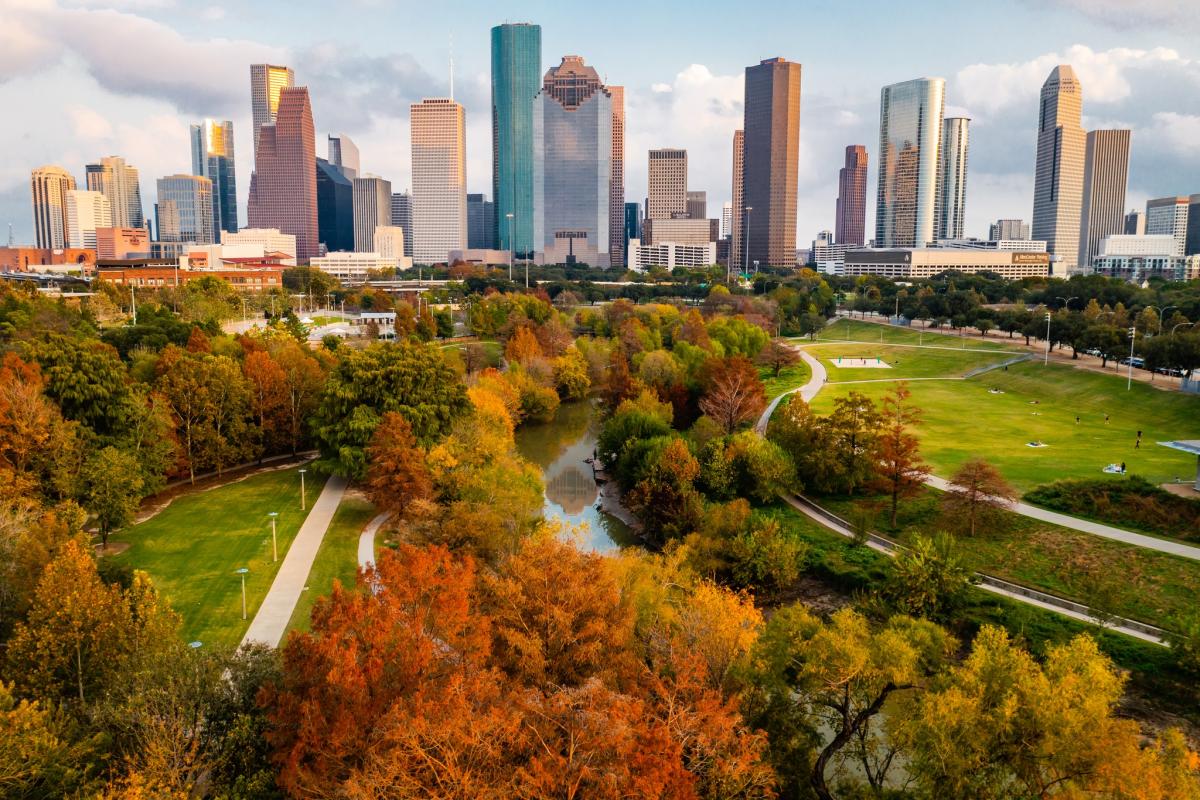
Houston, a sprawling metropolis renowned for its vibrant arts scene, world-class culinary experiences, and as the home of NASA's Johnson Space Center, consistently attracts millions of tourists annually. From the energy of the Museum District to the excitement of professional sports, the city offers an endless array of attractions that promise memorable experiences. The various visitor bureaus and travel guides, as hinted by their promotional materials, diligently highlight these positive aspects, painting a picture of an inviting, dynamic destination.
However, beneath the surface of this urban spectacle lies an inherent geographical truth: Houston is acutely vulnerable to flooding. Nestled on the Gulf Coastal Plain, its flat terrain, expansive network of bayous (such as Buffalo Bayou and Brays Bayou), and proximity to the Gulf of Mexico make it a prime target for heavy rainfall events. Over recent decades, the city has faced numerous significant flood disasters, from Tropical Storm Allison in 2001, which caused widespread devastation, to the catastrophic Hurricane Harvey in 2017, which dropped an unprecedented amount of rain, submerging vast areas of the city and its surrounding regions. More recently, Tropical Storm Imelda in 2019 reiterated this recurring Houston flood threat, demonstrating that even less intense storms can bring severe consequences.
Rapid urban development has further exacerbated this vulnerability. As concrete and impermeable surfaces replace natural wetlands and prairie grasses, the ground's ability to absorb water diminishes, leading to increased runoff and overburdened drainage systems. This combination of natural geography and human impact means that the "Houston flood threat" isn't a rare anomaly but a recurring consideration for residents and, indeed, visitors.
Why Official Tourist Guides Skip the Subject
Given Houston's documented history with severe weather events and flooding, a curious silence often surrounds this topic in official tourist guides and promotional materials. The primary purpose of any visitor bureau or tourism website is, understandably, to entice and attract. Their role is to showcase the best of the city – its unique culture, entertainment, dining, and attractions – not to dwell on potential risks or challenges. Marketing Houston as a premier travel destination involves highlighting its strengths and minimizing anything that might deter potential visitors. Discussing the "Houston flood threat" could be perceived as counterproductive to this core mission.
This strategic omission is not unique to Houston; many destinations opt to focus on their positive attributes, leaving the responsibility of researching potential risks to the individual traveler. From a business perspective, full disclosure of every possible risk, however remote, might lead to unnecessary apprehension or a decline in tourism revenue. The implicit assumption often is that travelers will consult broader sources for safety information, while tourist guides will focus purely on experiences and activities. This creates a noticeable gap, where the allure of attractions eclipses critical practical information about navigating the city's environmental realities. For a deeper dive into this discrepancy, consider exploring Beyond Attractions: Uncovering Houston's Flood Discussion Gap.
Furthermore, the nature of flooding can be unpredictable. While certain areas are more prone to inundation, the impact of a specific storm can vary widely. Providing detailed flood information might seem overly complex or alarmist to tourism marketers, who prefer to maintain a consistent, positive narrative. They may view flood preparedness as falling under the purview of emergency services rather than their promotional efforts, creating a disconnect between the information available to residents and that provided to tourists.
Navigating Houston: Essential Flood Preparedness Tips for Visitors
While official guides might remain silent, an informed traveler is an empowered traveler. Understanding the "Houston flood threat" doesn't have to diminish your enjoyment of the city; rather, it allows for better preparation and a safer, more confident visit. Here are some essential tips for visitors:
Before You Arrive:
- Check Long-Range Forecasts: Pay attention to weather forecasts for Houston and the Gulf Coast region in the weeks leading up to your trip, especially during hurricane season (June 1st to November 30th). Websites like the National Weather Service (NWS) and NOAA provide reliable information.
- Consider Travel Insurance: Look into travel insurance policies that cover weather-related cancellations or interruptions. Understand what your policy covers in case of a major storm.
- Research Your Accommodation's Location: While booking, briefly check the flood risk of the specific neighborhood where you'll be staying. Websites like the Harris County Flood Control District often have flood plain maps available for public viewing, though these are primarily for residents, they can offer insight.
- Know Local Emergency Contacts: Save numbers for local emergency services (911) and your hotel's front desk.
During Your Visit:
- Stay Updated on Local Weather: Use your phone's weather app or follow local news channels (e.g., KPRC 2, ABC13, KHOU 11) for real-time updates. Social media accounts of these news outlets and official city/county emergency management offices are also excellent resources.
- Heed Warnings: If flood watches or warnings are issued, take them seriously. A flood watch means conditions are favorable for flooding; a flood warning means flooding is imminent or occurring.
- "Turn Around, Don't Drown": This mantra is critical in Houston. Never drive, walk, or bike through flooded streets or underpasses. Even a few inches of water can sweep a car away or hide dangerous debris and open manholes. Water depth can be deceptive.
- Use Reliable Navigation: During heavy rain, rely on GPS apps like Waze or Google Maps, which often update with real-time road closures due to flooding. However, always exercise caution and use your judgment.
- Public Transportation: Be aware that Houston's METRO bus and light rail services may be suspended or rerouted during severe weather. Have alternative transportation plans if needed.
- Listen to Hotel Staff: Your hotel management will be your immediate source of information and guidance during a local weather event. They can advise on safe routes, shelter, and general preparedness.
The Broader Conversation: Balancing Promotion and Transparency
The discrepancy between Houston's tourism promotion and the reality of its flood vulnerability opens up a broader discussion about transparency and responsibility in destination marketing. While the goal of attracting visitors is paramount, does a city have an ethical obligation to inform tourists about significant environmental risks, especially those that could directly impact their safety and travel plans?
Many destinations around the world grapple with similar challenges. Cities in earthquake zones often include preparedness information on their official websites, and coastal towns prone to hurricanes might offer seasonal advisories. Integrating a small, well-placed disclaimer or a link to a dedicated "Safety and Preparedness" page on official tourism sites could strike a balance. This wouldn't deter visitors but would empower them with knowledge, fostering a sense of trust and demonstrating a commitment to visitor well-being.
Ultimately, a transparent approach could lead to more resilient tourism. When visitors are prepared and aware, they are better equipped to handle unexpected situations, potentially mitigating negative experiences and fostering a more positive long-term relationship with the destination. It’s about cultivating a travel environment where adventure and awareness go hand-in-hand, ensuring that Houston remains not only a fantastic place to visit but also a safe one for all its guests.
Houston is a city of immense opportunity and vibrant culture, a place that welcomes visitors with open arms and countless attractions. While its official tourist guides may focus solely on the dazzling facets of the city, understanding the "Houston flood threat" is an important aspect of responsible travel. By staying informed and taking simple precautionary steps, visitors can fully enjoy all that Houston has to offer, confident in their ability to navigate its unique environment. Informed travelers are not scared travelers; they are simply better prepared to experience a city in its entirety, challenges and all.