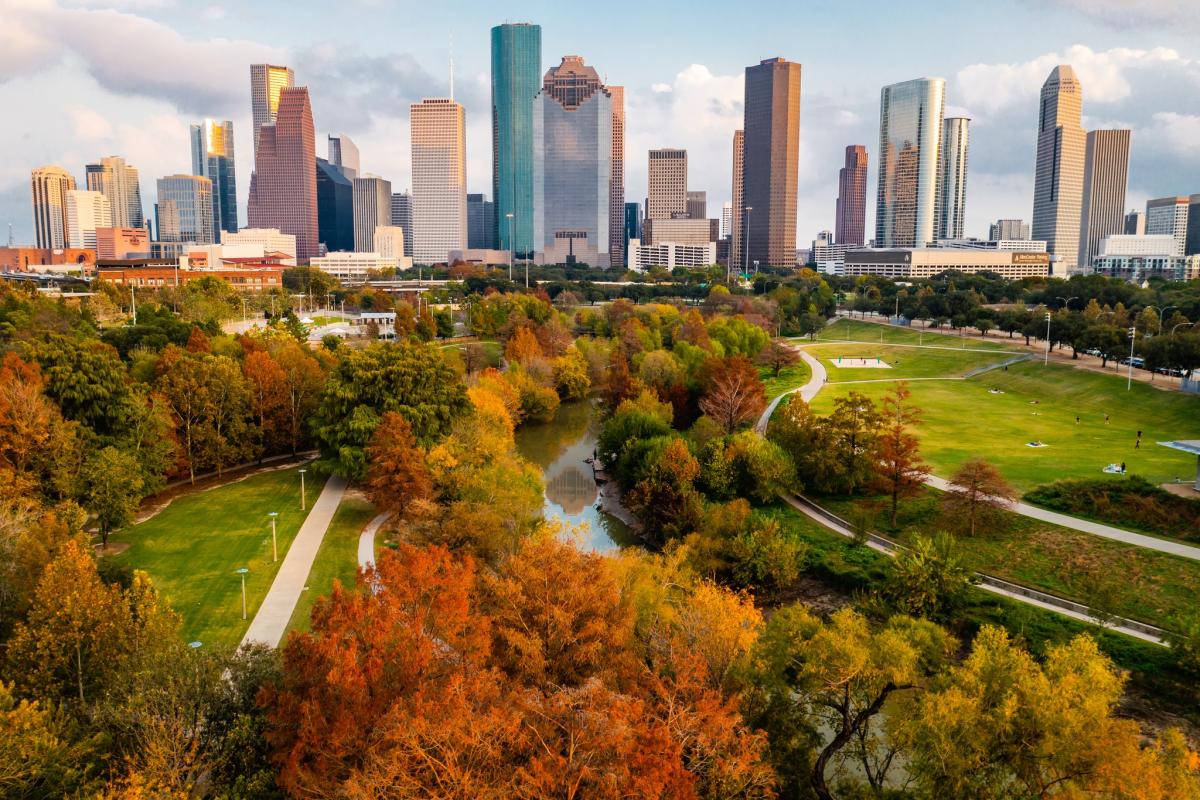
Houston, a sprawling metropolis in the heart of Texas, is renowned globally for its vibrant culture, pioneering space exploration, robust energy industry, and an ever-expanding culinary scene. It's a city that beckons tourists with promises of world-class museums, exhilarating sporting events, and unique Texan experiences. Indeed, official visitor bureaus and travel guides paint a compelling picture of a dynamic city, eager to showcase its myriad attractions and rich history. However, beneath the polished facade of tourist brochures and historical timelines, there lies a significant, often unaddressed, discussion gap: the pervasive houston flood threat.
A careful review of typical visitor resources, from historical timelines to promotional tourism sites, reveals a consistent pattern. While they meticulously detail attractions, events, and the general allure of the city, information regarding the very real and recurring challenge of flooding is conspicuously absent. This article aims to bridge that gap, shedding light on the silent but significant dialogue around Houston's susceptibility to floods and why this crucial information often remains on the periphery for visitors and prospective residents alike.
The Allure of Houston: A Tourist's Dream
For decades, Houston has successfully cultivated an image as a premier destination for both business and leisure travelers. Its global appeal is undeniable, drawing millions annually to experience its diverse offerings:
- Space City USA: Home to NASA's Johnson Space Center, Houston offers an unparalleled journey into the history and future of space exploration. The iconic Mission Control Center and vast exhibits at Space Center Houston are major draws.
- Cultural Hub: The Museum District boasts 19 institutions, from the Museum of Fine Arts to the Houston Museum of Natural Science, offering a rich tapestry of art, history, and discovery. The Theater District is second only to New York City in terms of seating capacity, showcasing a vibrant performing arts scene.
- Culinary Capital: Houston's gastronomic landscape is a melting pot of global flavors, reflecting its diverse population. From authentic Tex-Mex and BBQ to upscale international cuisine, there's a dish for every palate.
- Economic Powerhouse: As the energy capital of the world and a leading center for medicine and aerospace, Houston's economic vitality fuels its continuous growth and innovation.
Visitor bureaus and travel guides expertly weave these narratives, focusing on the positive, the exciting, and the unique aspects that make Houston a truly remarkable place. This marketing strategy is effective, yet it inadvertently creates an incomplete picture, glossing over environmental realities that are deeply impactful for anyone living in or visiting the region.
The Unspoken Reality: A Deep Dive into Houston's Flood Threat
Despite its many triumphs and attractions, Houston sits on a low-lying, flat coastal plain intersected by numerous slow-moving bayous and rivers that drain into the Gulf of Mexico. This geographical reality, combined with a climate prone to intense rainfall and tropical storms, makes the houston flood threat a perennial concern.
- Geography and Climate: Houston's flat topography means water drains slowly, and its proximity to the Gulf of Mexico makes it highly vulnerable to hurricanes and tropical depressions that dump enormous amounts of rain in short periods.
- Rapid Development and Impervious Surfaces: Decades of rapid urban expansion have transformed vast areas of natural prairie and wetlands—which once absorbed rainfall—into impervious surfaces like roads, parking lots, and buildings. This significantly reduces natural water absorption and increases runoff, exacerbating flood risks.
- The Bayou System: While Houston's bayous are crucial for drainage, their capacity can be quickly overwhelmed during heavy downpours, leading to water overflowing their banks and flooding surrounding areas.
The city has a painful history of major flood events. Hurricanes Allison (2001), Ike (2008), and most devastatingly, Harvey (2017) are stark reminders of the profound impact of the houston flood threat. Harvey alone caused an estimated $125 billion in damages, displacing hundreds of thousands and highlighting the city's vulnerability on a global scale. Even less severe storms can lead to significant localized flooding, disrupting daily life and posing dangers to residents and visitors alike.
In response, Houston has undertaken significant initiatives to mitigate flood risks, including extensive infrastructure projects, updated building codes, and community resilience programs. However, these are ongoing efforts, and the threat remains a critical factor in urban planning and daily life.
The Great Omission: Why Tourist Guides Remain Silent
The discrepancy between Houston's vibrant public image and its underlying flood vulnerability is striking. As confirmed by our review of various visitor resources, information about the houston flood threat is routinely absent from materials designed to attract tourists and new residents. This raises a crucial question: why the silence?
One primary reason is undoubtedly marketing strategy. Tourism and relocation industries inherently focus on accentuating positives to attract visitors and investment. Discussing potential hazards like flooding, while important for public safety and informed decision-making, could be perceived as detrimental to promoting the city's appeal. The goal of a visitor bureau is to showcase the best of Houston, to inspire travel and create positive impressions, not to dwell on potential risks. You can explore this further in our related article: Houston Flood Threat: Why Tourist Guides Remain Silent.
Furthermore, there might be an assumption that flood risk information is not "tourist information." It's seen as a local issue, something residents need to be aware of, but not a concern for someone visiting for a weekend or a week. However, this perspective overlooks the practical implications for visitors who might encounter flash floods during their stay, leading to travel disruptions, safety concerns, and negative experiences.
Ultimately, this omission, while perhaps strategically understandable from a marketing perspective, creates an information void. It leaves visitors and prospective residents unprepared for a significant environmental reality of living in or traveling through Houston. For a deeper dive into this specific challenge for travelers, consider reading: Houston Travel: Is Flood Risk Information Missing for Visitors?
Bridging the Information Gap for Visitors
For those planning a trip to Houston, being aware of the flood threat can greatly enhance safety and enjoyment. Here are some practical tips:
- Check the Weather Forecast: Always monitor local weather forecasts, especially during hurricane season (June 1st to November 30th). Pay attention to flash flood watches or warnings.
- Know Your Route: If heavy rain is expected, familiarize yourself with your planned routes, identify elevated alternatives, and avoid driving through standing water. "Turn Around, Don't Drown" is a critical safety message.
- Emergency Contacts: Keep local emergency numbers handy (e.g., 911 for emergencies).
- Stay Informed: Follow local news outlets and the City of Houston Office of Emergency Management for real-time updates and advisories.
- Travel Insurance: Consider travel insurance that covers weather-related disruptions if visiting during high-risk seasons.
For Prospective Residents: Due Diligence Beyond the Brochure
For those considering a move to Houston, understanding the houston flood threat is not just advisable, it's essential for long-term planning and financial security.
- Floodplain Maps: Consult FEMA flood maps to understand if a property is in a designated floodplain. However, remember that flooding can occur outside these zones.
- Flood Insurance: Standard homeowner's insurance does not cover flood damage. Flood insurance, often through the National Flood Insurance Program (NFIP), is a crucial investment, even if not mandated.
- Elevation Certificates: For properties in or near floodplains, an elevation certificate can provide valuable information about a building's elevation relative to the base flood elevation, impacting insurance premiums and risk assessment.
- Historical Flooding: Research the historical flooding patterns of specific neighborhoods or properties. Local residents and community forums can be invaluable resources.
- Community Resilience: Investigate local community efforts and infrastructure projects aimed at flood mitigation in areas you're considering.
Conclusion
Houston is undeniably a city of incredible opportunity, culture, and innovation, deserving of its praise and tourist appeal. However, a truly comprehensive understanding of this dynamic metropolis requires acknowledging its full environmental context, including the ever-present houston flood threat. The silence in official tourist and historical guides, while perhaps understandable from a marketing standpoint, creates an information gap that can have real consequences for both short-term visitors and long-term residents.
Bridging this gap means advocating for more transparent and balanced information, encouraging visitors to be proactive in their research, and empowering prospective residents to make informed decisions. Houston's resilience in the face of natural challenges is as much a part of its story as its vibrant attractions. By openly discussing the flood threat, we don't diminish the city's allure; instead, we foster a more informed, prepared, and ultimately, a more resilient community.